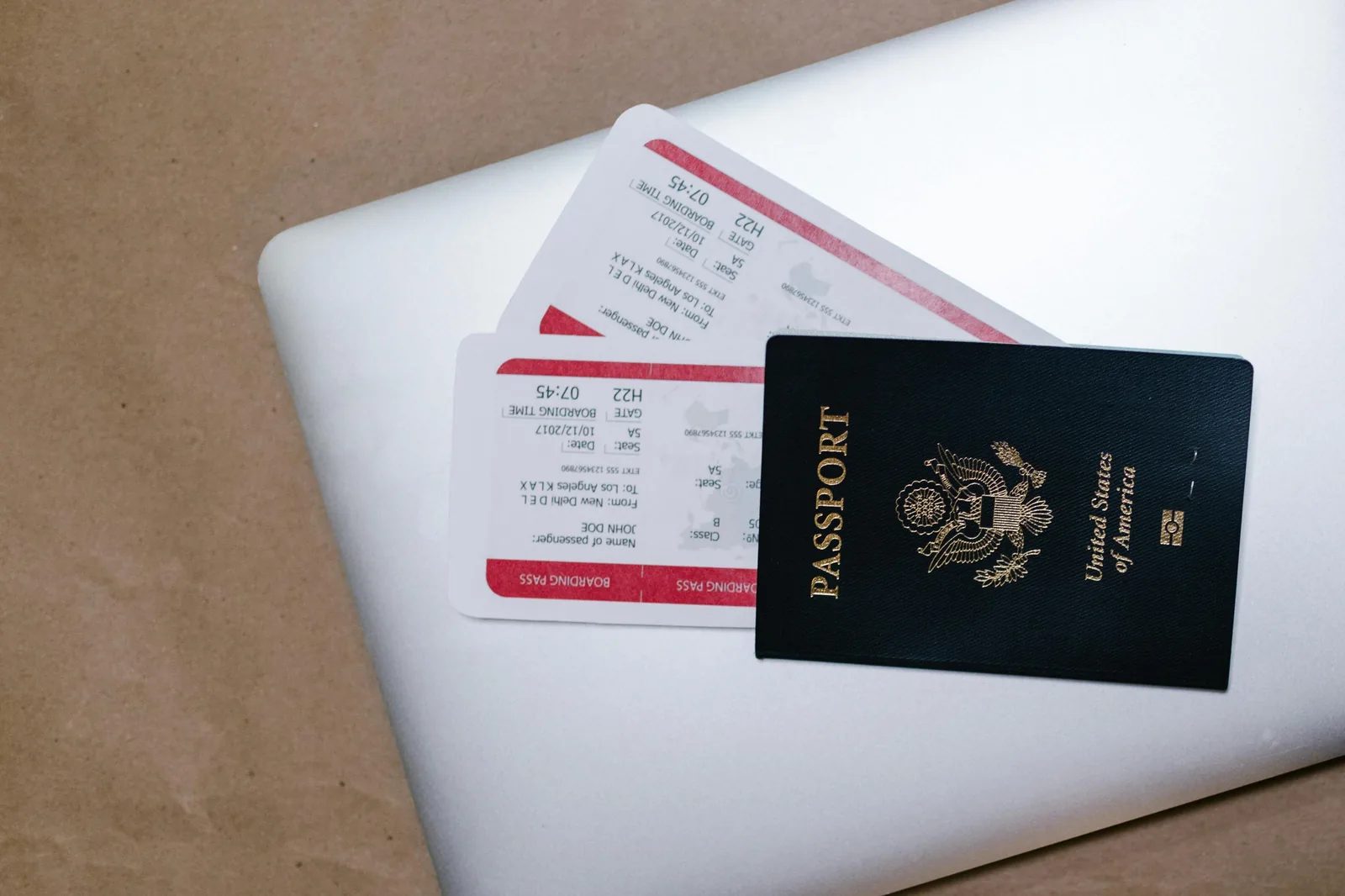
What should guide your next step
- Use IRCTC or trusted booking platforms; avoid random Tatkal confirmation links.
- Verify PNR, passenger details, train number, date, and payment proof after booking.
- Be careful with agents who demand extra money without written receipt.
Railway booking pressure is real, especially during Tatkal, holidays, and festival travel. Scammers use that pressure by offering guaranteed tickets, fake links, or edited booking screenshots. Safe booking means checking official records, not only messages.
Where railway booking fraud starts
Fraud often begins in WhatsApp groups, Telegram channels, or social media posts claiming confirmed Tatkal tickets. Some ask for advance payment and send screenshots that look like IRCTC pages.
A real railway ticket can be checked through official PNR status and booking records. If the person refuses to share proper details or pushes only UPI advance, slow down.
Checks before and after payment
Railway booking safety starts with the platform. Use IRCTC or trusted authorized apps, and be cautious of messages promising guaranteed Tatkal seats for direct payment.
- Book through IRCTC or a trusted platform you open yourself.
- Verify train number, travel date, class, passenger name, age, and boarding station.
- Check PNR status independently after booking.
- Do not share IRCTC password, OTP, or payment OTP with agents.
- Keep invoice, ticket PDF, and payment receipt in one travel folder.
A ticket offer from a group chat
Example: A stranger says “Pay now, I will confirm sleeper Tatkal in five minutes.” Ask for a written invoice, proper agent identity, and avoid sharing login/OTP. If the offer sounds guaranteed during peak demand, treat it carefully.
Safer action for train bookings
During Tatkal or festival pressure, treat “guaranteed confirmed ticket” claims carefully. The pressure itself is often used to make you skip verification.
After booking, the PNR and passenger details matter more than a screenshot in chat. Verify independently before assuming the ticket is valid.
- Check PNR from official sources.
- Never share IRCTC OTP or password.
- Keep ticket PDF and payment receipt together.
Ticket records to store
For railway tickets, save the PNR, booking ID, passenger names, payment receipt, platform used, and cancellation or refund status. Keep them in one place until the trip ends.
- PNR number, ticket PDF, booking SMS/email, and payment ID.
- Agent name, phone number, receipt, and chat record if an agent is used.
- Cancellation/refund status from official source.
What can make the issue worse
- Believing an edited ticket screenshot before checking PNR.
- Sharing IRCTC OTP or login details for “fast booking.”
- Paying personal UPI IDs for unknown agents without receipt.
Railway booking safety for normal passengers
Train tickets are time-sensitive, especially during holidays, exams, functions, and Tatkal booking. This pressure makes passengers accept risky shortcuts. Fake agents may promise confirmed tickets, fake links may copy railway branding, and social media posts may claim special quota access. The safer method is to use IRCTC or trusted travel platforms and keep every booking detail in writing.
If an agent is involved, ask for PNR, passenger details, ticket PDF, payment proof, and cancellation terms. Do not send ID documents or full advance to an unknown person just because they say seats are almost gone. A genuine booking can be checked with PNR status. If the ticket is not visible through official status checking, do not depend only on a screenshot.
For group journeys, one person should maintain a passenger list, payment split, PNR, train number, date, boarding station, and refund status. This avoids confusion if a ticket is waitlisted, cancelled, or partially confirmed. Be careful with links sent in Telegram or WhatsApp groups that claim special Tatkal confirmation or instant refund. Open the official site/app yourself.
How to make the safer choice
- Use IRCTC or trusted platforms instead of random booking links.
- Verify PNR status from official or trusted sources after booking.
- Do not share full identity documents with unknown agents unnecessarily.
- Keep ticket PDF, payment receipt, and cancellation/refund messages together.
- Avoid “guaranteed confirmed ticket” claims from unknown social media accounts.
When using agents
Some passengers use local agents because they are not comfortable booking online. If you use one, choose a known shop or person with a visible address and written payment proof. Ask for PNR immediately after booking and check it independently. Do not accept excuses like “PNR will come later” after full payment. Also avoid sharing more identity details than required for the ticket.
Before trusting a ticket promise
Check whether the booking can be verified by PNR or inside IRCTC or a trusted travel app. A person promising guaranteed seats for personal payment may disappear after collecting money, especially during urgent travel periods.
During peak travel, people accept risk because seats are limited. That is exactly when fake agents and group messages become attractive. Keep the process simple: verify the PNR, avoid private payment promises, and do not share account or ID documents beyond what the official booking flow requires.
For railway ticket booking safety basics for irctc and travel apps, the safer choice is the one you can explain, verify, and prove later without depending only on a stranger’s message.
Peak-season pressure creates unsafe choices
Railway booking risk becomes higher during holidays, exams, festivals, and emergency travel. When seats are limited, people are more willing to trust unknown agents, Telegram posts, or screenshots promising confirmation. That pressure is exactly why verification matters. A real ticket should be checked through official booking records and PNR status, not only through a forwarded image.
If an agent is involved, keep the conversation, payment proof, passenger details shared, and final ticket record. Avoid giving unnecessary identity documents in open chats. For family trips, one person should verify all PNRs before the travel day so confusion does not appear at the station.
Check the ticket again before travel day
Do not wait until you reach the station to discover a ticket issue. Check the PNR, passenger details, train number, date, class, and boarding point in advance. If a booking was done by another person, ask for enough details to verify it through official routes. A screenshot alone can hide mistakes or manipulation.
For group travel, one person should make a simple list of passengers, PNRs, and payment status. This avoids confusion during boarding and makes refund or cancellation follow-up easier.
Keep cancellation and refund rules visible
Railway plans change often, so save the cancellation rule before booking for a group. People usually remember the ticket price but forget the deduction, refund timeline, and chart-preparation effect. A simple note beside the PNR avoids arguments when someone cancels late.
Official railway booking checks
Verify trains, PNR status, booking, and cancellation through IRCTC or recognized travel apps. Avoid personal-payment demands from unknown agents in Telegram or WhatsApp groups.
Official support and reporting links
This guide is for general awareness and safer decision-making. It is not legal, banking, travel, or financial advice. For disputes, money loss, account recovery, or official complaints, follow the process given by the concerned bank, platform, business, or government department.
Frequently asked questions
How can I verify a train ticket?
Check the PNR and ticket details through official railway/IRCTC channels or the platform used for booking.
Are all railway agents unsafe?
No, but use proper receipts and never share sensitive login or payment OTP details.
Should I trust Tatkal guaranteed offers?
Be careful. No stranger should need your password or OTP to guarantee a ticket.